
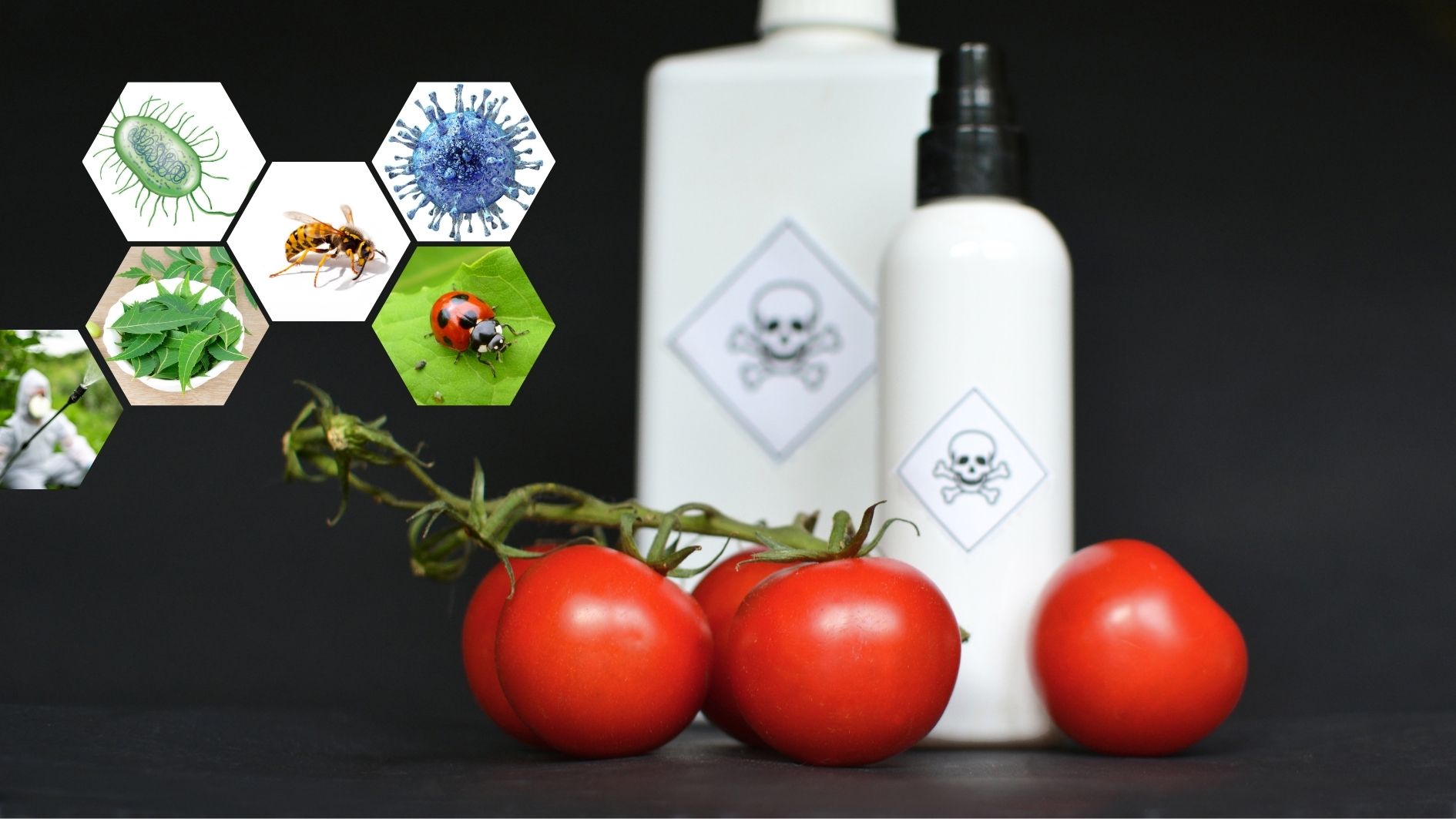

Biopesticides and biofungicides are types of pest and disease control products derived from natural sources. They offer environmentally friendly alternatives to synthetic chemical pesticides and fungicides. Here’s a closer look at each:
Biopesticides:
Biopesticides are derived from natural materials, including microorganisms, plants, and minerals. They are used to manage pests and diseases in agricultural and non-agricultural settings. They can be categorized into several types:
- Microbial Pesticides:
- Bacteria: Products containing beneficial bacteria, such as Bacillus thuringiensis (Bt), which produces toxins that target specific insect pests.
- Fungi: Includes fungal species like Trichoderma or Beauveria bassiana that act as natural enemies of pests.
- Viruses: Specific viruses that infect and kill pests, like the Nuclear Polyhedrosis Virus (NPV) targeting caterpillars.
- Plant-Incorporated Protectants (PIPs):
- Genetically Modified Plants: Plants that have been genetically engineered to express proteins that deter pests, such as Bt crops.
- Biochemical Pesticides:
- Pheromones: Chemicals that disrupt the mating behavior of pests.
- Plant Extracts: Natural plant compounds that repel or kill pests, such as neem oil or garlic extract.
Biofungicides:
Biofungicides are a subset of biopesticides specifically designed to control fungal diseases. They use natural organisms or compounds to inhibit or kill fungi that cause plant diseases. Key types include:
- Microbial Biofungicides:
- Beneficial Fungi: Such as Trichoderma spp. and Gliocladium, which compete with or parasitize harmful fungi.
- Bacteria: For example, Pseudomonas fluorescens and Bacillus subtilis, which produce compounds that suppress fungal growth or enhance plant defense mechanisms.
- Plant Extracts and Natural Products:
- Essential Oils: Extracts from plants with antifungal properties, like thyme oil or clove oil.
- Natural Antifungal Compounds: Substances derived from plants or microbes that inhibit fungal growth, such as chitosan or garlic extract.
Benefits of Biopesticides and Biofungicides:
- Environmental Impact: They typically have a lower environmental footprint compared to synthetic chemicals, as they are biodegradable and less likely to cause harm to non-target organisms.
- Human Health: They are often less toxic to humans and animals, reducing health risks associated with pesticide use.
- Sustainability: They support sustainable agricultural practices by promoting soil health and biodiversity.
Overall, both biopesticides and biofungicides are integral to modern pest and disease management, offering safer and more sustainable options for protecting crops and plants.
