Tomato Yellow Leaf Curl Virus (TYLCV) is a devastating plant pathogen causing significant economic losses in tomato production worldwide, including in Nepal. The virus belongs to the genus Begomovirus within the family Geminiviridae. It primarily affects solanaceous crops, with tomatoes (Solanum lycopersicum) being its most susceptible host.
This post delves into the physiology of TYLCV, its impact on tomato crops, and sustainable management practices tailored to the agro-climatic conditions of Nepal.
Taxonomical Classification
| Taxonomic Rank | Classification |
|---|---|
| Virus Group | ssDNA (Single-stranded DNA virus) |
| Family | Geminiviridae |
| Genus | Begomovirus |
| Species | Tomato yellow leaf curl virus (TYLCV) |
| Strain | TYLCV strains vary depending on geographic location, e.g., TYLCV-Israel, TYLCV-Egypt, etc. |
This classification highlights the primary taxonomic categories for TYLCV, which is a DNA virus transmitted by whiteflies
Physiology of Tomato Yellow Leaf Curl Virus (TYLCV)
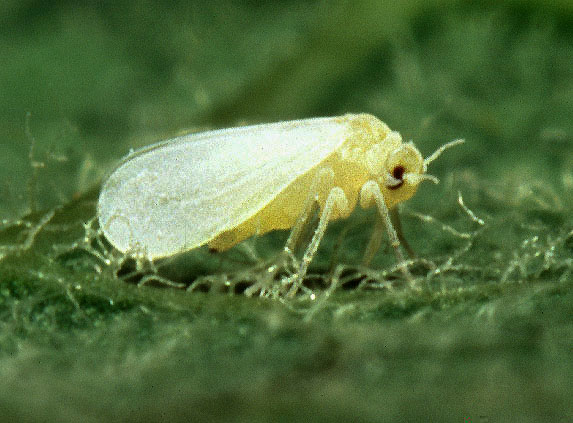
TYLCV is a single-stranded DNA (ssDNA) virus that is transmitted by the whitefly (Bemisia tabaci). The virus infects phloem tissues, disrupting the plant’s vascular system and interfering with nutrient and water transport. Key aspects of TYLCV physiology include:
- Genome Organization
- The viral genome is monopartite, approximately 2.8 kb in size, and encodes both replication-associated proteins (Rep) and capsid proteins (CP).
- The Rep protein facilitates replication of the viral genome, while the CP protein ensures encapsidation and systemic movement within the host.
- Mechanism of Infection
- The virus enters plant cells via feeding wounds created by whiteflies.
- Inside the host cell nucleus, TYLCV uses the host’s DNA polymerase machinery for replication.
- The virus induces the formation of replication complexes, hijacking host cell functions for its proliferation.
- Pathophysiological Effects on Tomatoes
- TYLCV infection suppresses photosynthesis by altering chlorophyll content and disrupting chloroplast structure.
- Hormonal imbalances, particularly reductions in cytokinin and auxin levels, lead to stunted growth and leaf curling.
Symptoms of TYLCV in Tomatoes
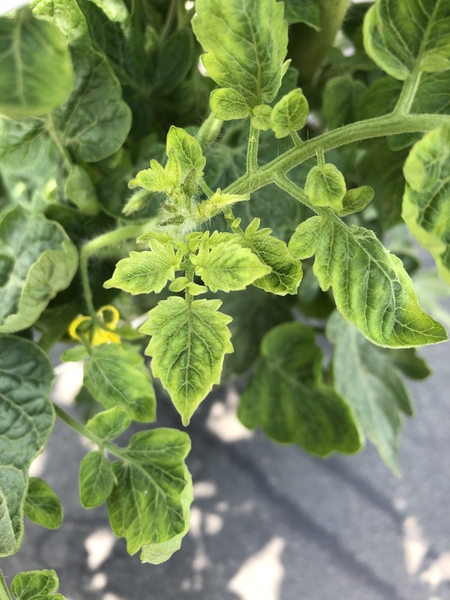
- Leaf Deformities: Upward curling and yellowing of leaves, often accompanied by reduced leaf size.
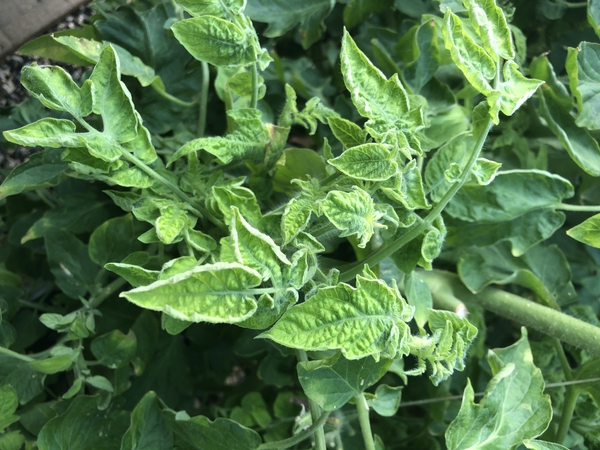
Source: NC State Extension
- Chlorosis: TYLCV symptoms can resemble nutrient deficiencies like potassium, magnesium, and micronutrients, or environmental stress like high temperatures or drought. However, TYLCV typically causes chlorosis and curling on young leaves, whereas nutrient deficiencies often affect older leaves uniformly across the crop. Environmental stress or aphid feeding may cause leaf curl without chlorosis. Diagnosis should be confirmed by a plant clinic or specialist due to similar-looking disorders.
Source: NC State Extension
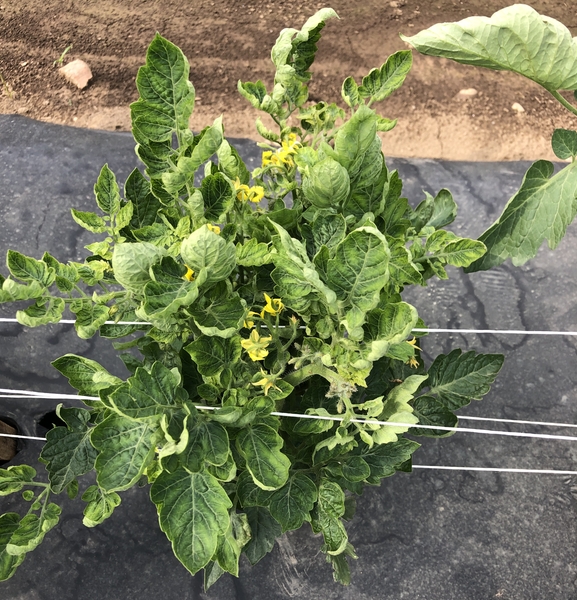
- Stunted Growth: Infected plants exhibit slow or arrested development, with shortened internodes.
Source: NC State Extension
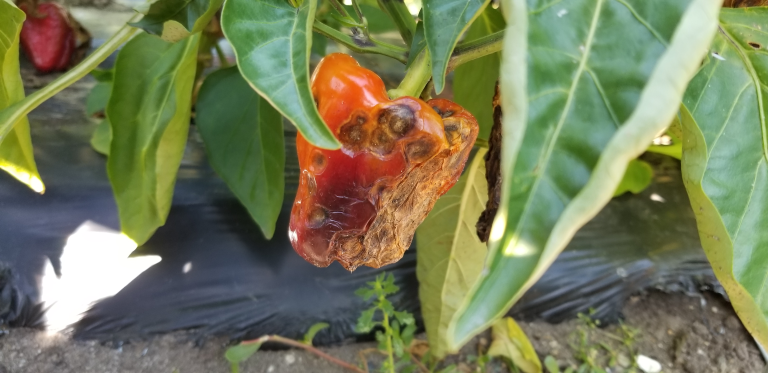
- Flower and Fruit Drop: Premature abscission of flowers and fruits, severely impacting yields.
- Poor Fruit Quality: If fruits are produced, they are often small, malformed, and less marketable.

Source: Paper from ResearchGate
Disease Cycle
The disease cycle of TYLCV revolves around its vector, the whitefly:
- Virus Acquisition
- Whiteflies acquire the virus while feeding on infected plants. The virus becomes persistent in the insect’s salivary glands.
- Transmission
- Spread in the Field
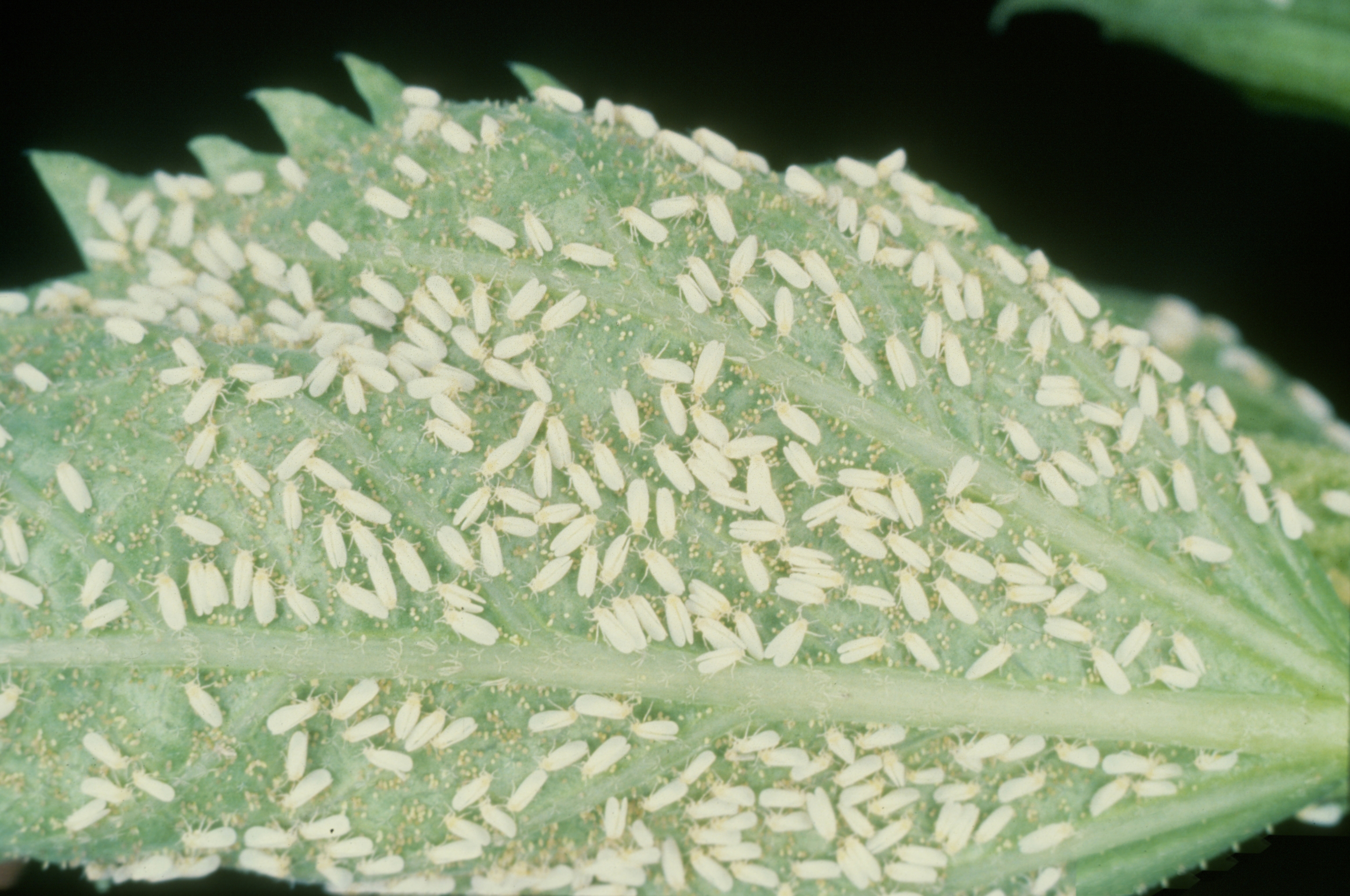
- Whitefly populations can spread TYLCV across fields, especially under favorable conditions such as warm temperatures and high humidity.
Source: Wikipedia
Source: Wikipedia
Impact of TYLCV on Tomato Production in Nepal
In Nepal, tomatoes are cultivated in diverse agro-climatic regions, ranging from the Terai plains to mid-hill areas. TYLCV outbreaks are prevalent in lowland regions with warm climates, where whitefly populations thrive. Losses due to TYLCV can reach up to 80% in severely affected fields, exacerbated by limited access to resistant varieties and inadequate vector management practices.
Management Practices and Control Measures
Managing TYLCV requires an integrated approach that addresses both the virus and its vector. Here are effective strategies tailored to Nepal’s context:
- Use of Resistant Varieties
- Cultivate TYLCV-resistant or tolerant tomato cultivars such as ‘Roma VF’ and hybrids like ‘Tyking’ or ‘Himal’.
- Promote local breeding programs to develop varieties adapted to Nepal’s agro-climatic conditions.
- Cultural Practices
- Crop Rotation: Rotate tomatoes with non-host crops like cereals or legumes to break the virus’s life cycle.
- Sanitation: Remove and destroy infected plants and weeds that serve as virus reservoirs.
- Barrier Crops: Plant barrier crops such as maize or sorghum around tomato fields to reduce whitefly migration. Sowing sunflower seeds at a density of 10-12 plants per Kattha in border rows, approximately 7 days before transplanting tomato seedlings into the main field, has proven effective.
- Cow/Bufflao Milk: Spraying fresh cow or buffalo milk at a ratio of 1:10 (1 part milk to 10 parts water) three times after the onset of the disease to minimize infestation or spraying after 7-10 days after transplanting tomato seedlings at the regular interval 7-10 days has been found effective in managing Tomato Yellow Leaf Curl Virus (TYLCV)
- Vector Management
- Monitoring and Surveillance: Regularly monitor whitefly populations using yellow sticky traps.
- Biological Control: Introduce natural enemies of whiteflies, such as parasitoid wasps (Encarsia formosa) and predatory beetles (Delphastus catalinae).
- Chemical Control: Use insecticides judiciously to manage whitefly populations. Rotational use of neonicotinoids, pyrethroids, and insect growth regulators (IGRs) can prevent resistance development.
- Integrated Pest Management (IPM)
- Combine biological, cultural, and chemical methods for sustainable TYLCV control.
- Train farmers in IPM techniques through agricultural extension programs.
- Environmental Modifications
- Use reflective mulches to repel whiteflies and reduce their population.
- Employ net houses or poly-tunnels to physically exclude whiteflies from crops.
- Chemical Control
- Use insecticides judiciously, focusing on the early stages of the crops
- Applying systemic insecticides like imidacloprid or acetamiprid and rotating chemical groups to prevent resistance development.
Future Prospects for TYLCV Management in Nepal
- Biotechnological Interventions
- Develop genetically engineered tomato varieties using RNA interference (RNAi) to target viral replication genes.
- Advanced Diagnostics
- Implement rapid and cost-effective diagnostic tools, such as loop-mediated isothermal amplification (LAMP), for early detection of TYLCV in Nepalese fields.
- Awareness and Policy Support
- Conduct awareness campaigns to educate farmers about TYLCV management.
- Encourage government subsidies for resistant seeds and vector control measures.
- Research and Development
- Support research on TYLCV epidemiology and its interactions with local whitefly biotypes.
Conclusion
Tomato Yellow Leaf Curl Virus poses a severe threat to tomato production in Nepal, especially in regions with conducive climates for whitefly proliferation. Implementing an integrated disease management approach, supported by modern technology and farmer education, can significantly mitigate the impact of TYLCV. Collaborative efforts among farmers, researchers, and policymakers are essential to safeguard Nepal’s tomato industry and ensure food security.