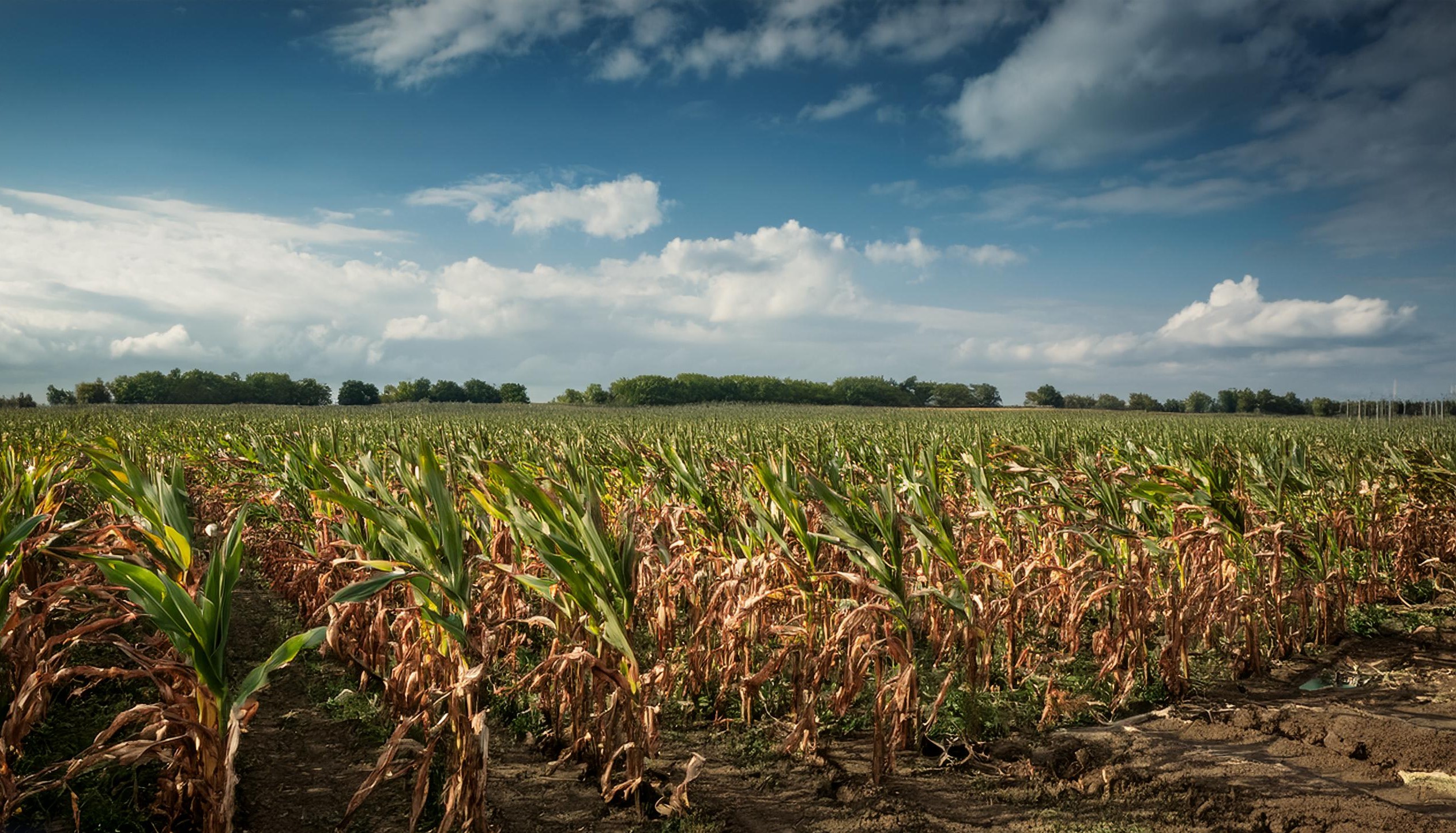

Maize is a crucial crop in Nepal, serving as a staple food for millions and a vital source of income for farmers across the country. However, maize cultivation faces significant challenges, with leaf blight being one of the most destructive diseases. Both northern leaf blight (NLB) and southern leaf blight (SLB) pose threats to maize production, causing substantial yield losses if left unmanaged.
This comprehensive blog post will explore both northern and southern leaf blight of maize in Nepal, including their disease cycles and the best management practices suited to Nepalese farming conditions.
Understanding the Importance of Maize in Nepal
Maize is cultivated across diverse agro-climatic regions of Nepal, from the hills to the Terai plains. It is the second most important crop after rice, especially in rainfed and marginal areas. The versatility of maize as food, fodder, and industrial raw material makes it vital to the economy.
However, maize production in Nepal faces several challenges, including pests and diseases. Among these, northern and southern leaf blight are highly destructive, particularly in regions with favorable conditions for their spread. The spread of these diseases can lead to devastating yield losses, and in severe cases, the complete destruction of crops.
What is Leaf Blight?
Leaf blight is a common plant disease characterized by rapid death and decay of leaf tissue. In maize, two major types of leaf blight are prevalent:
- Northern Leaf Blight (NLB) – Caused by the fungus Setosphaeria turcica, anamorph Exserohilum turcicum.
- Southern Leaf Blight (SLB) – Caused by Cochliobolus heterostrophus, anamorph Bipolaris maydis.
Both types of blight can cause severe damage to maize plants, leading to reduced photosynthesis and ultimately lower yields. In the context of Nepal, where maize is a staple in many diets and a key cash crop, understanding and managing these diseases is critical to safeguarding food security.
Northern Leaf Blight (NLB) of Maize
Causal Agent
Northern Leaf Blight is caused by the fungal pathogen Setosphaeria turcica, anamorph Exserohilum turcicum. This fungus thrives in cool, humid environments, making the mid-hills and certain Terai regions of Nepal particularly vulnerable to NLB outbreaks.
Disease Symptoms
- Lesions: NLB causes long, cigar or boat-shaped, elliptical lesions (length 2-15cm and width 1-3cm) on the leaves, which are initially gray-green before turning tan or brown. These lesions can expand and merge, covering large areas of the leaf surface. The Northern Leaf Blight only affects leaves.
- Premature Death: Severe infections can cause the premature death of leaves, reducing the plant’s photosynthetic capacity.
- Yield Loss: If left untreated, NLB can reduce maize yields by up to 50%, making early detection and management essential.
Southern Leaf Blight (SLB) of Maize
Causal Agent
Southern Leaf Blight is caused by the fungus Cochliobolus heterostrophus, anamorph Bipolaris maydis. Unlike NLB, which prefers cooler temperatures, SLB thrives in warm, moist conditions, making it a serious threat in the Terai and lower hill regions of Nepal during the monsoon season.
Disease Symptoms
- Lesions: SLB lesions are smaller and more rectangular than those of NLB. Initially, they appear as small (0.6 by 2.5cm), water-soaked spots that later turn brown or tan.
- Rapid Spread: Under warm, humid conditions, SLB can spread rapidly, covering the entire leaf surface.
- Stalk Rot and Ear Rot: In severe cases, SLB can lead to stalk rot and ear rot, further reducing yields and grain quality.
Disease Cycle of Northern and Southern Leaf Blight
The disease cycles of NLB and SLB are similar, though they differ in their temperature preferences and rates of progression. Understanding the disease cycle is key to implementing effective management practices.
1. Overwintering and Survival
The fungi responsible for both NLB and SLB overwinter in infected crop residues left in the field after harvest. In Nepal, where maize is often grown continuously in the same fields, these residues provide a reservoir for the fungi, allowing them to persist from one growing season to the next.
2. Spore Production and Dissemination
As the growing season begins and temperatures rise, the fungi begin producing spores (conidia). These spores are dispersed by wind, rain, and mechanical means such as farm equipment.
- NLB Spores: Thrive in cooler temperatures (18°C–27°C) and spread rapidly during periods of high humidity.
- SLB Spores: Prefer warmer temperatures (20°C–32°C) and are most active during the monsoon season in Nepal.
3. Infection and Symptom Development
Once spores land on a susceptible maize plant, they germinate and penetrate the leaf surface, causing lesions. The fungi continue to grow within the plant tissue, causing the characteristic symptoms of leaf blight.
- NLB Symptoms: Long, elliptical lesions that coalesce, leading to large necrotic areas.
- SLB Symptoms: Smaller, rectangular lesions that rapidly multiply under favorable conditions.
4. Disease Progression
Both NLB and SLB can undergo multiple infection cycles within a single growing season. Warm, moist conditions favor rapid disease progression, leading to severe defoliation and yield loss if not properly managed.
Favorable Conditions for Leaf Blight in Nepal
The climatic diversity of Nepal creates conditions favorable for both northern and southern leaf blight. Understanding these conditions helps farmers anticipate and manage disease outbreaks.
1. Temperature
- NLB: Prefers cooler temperatures found in the mid-hills during the rainy season.
- SLB: Thrives in warmer temperatures typical of the Terai and lower hills.
2. Humidity
Both NLB and SLB require high humidity for spore germination and infection. Rainy and foggy conditions during the growing season, especially in maize monoculture areas, create ideal environments for disease spread.
3. Planting Season
Late planting in Nepal’s monsoon season increases the risk of leaf blight, as maize plants are exposed to the highest humidity and temperature levels at critical stages of growth.
Management Practices for Leaf Blight in Nepal
Controlling leaf blight in maize requires an integrated approach combining cultural, chemical, and biological strategies. Below are best management practices tailored to the specific conditions of Nepal.
1. Resistant Maize Varieties
One of the most effective ways to manage leaf blight is by planting resistant or tolerant maize varieties. In Nepal, several improved varieties have been developed or recommended by National Maize Research Program for their resistance to NLB and SLB. These include:
- Manakamana-3
- Deuti
- Rampur Composite
Farmers should consult with local agricultural extension offices or suppliers to identify the best varieties for their region.
2. Crop Rotation
Avoid continuous maize cultivation in the same field to break the disease cycle. Rotating maize with non-host crops like wheat, pulses, or legumes reduces the amount of inoculum in the soil and limits disease buildup.
3. Field Sanitation and Residue Management
Clear crop residues after harvest to reduce overwintering spores. Plowing under infected plant debris or burning it can significantly reduce the amount of fungal inoculum present at the beginning of the next growing season.
4. Timely Planting
In Nepal, the timing of maize planting is critical to avoiding peak periods of disease pressure. Early planting, before the onset of the monsoon, can help reduce the exposure of young plants to high humidity and spore release.
5. Irrigation Management
Avoid overhead irrigation, which creates conditions favorable for fungal spore germination. Instead, opt for drip irrigation or furrow irrigation, which keep the foliage dry and reduce the risk of infection.
6. Chemical Control
Fungicides can be effective in managing both NLB and SLB, particularly in areas where resistant varieties are unavailable. Fungicides containing mancozeb, propiconazole, or chlorothalonil can help protect maize crops. However, fungicide application should be carefully timed and based on disease severity. Avoid over-reliance on chemical control to prevent the development of resistance.
7. Biological Control
Biological control agents, such as Trichoderma species, have shown promise in controlling leaf blight by outcompeting or inhibiting fungal pathogens. While still in the early stages of adoption in Nepal, biological control is a sustainable, eco-friendly option that can complement other management strategies.
8. Monitoring and Early Detection
Regular field scouting and monitoring for early symptoms of leaf blight are crucial. Early detection allows farmers to intervene before the disease spreads extensively. Farmers can use predictive tools such as weather-based disease forecasting models to time interventions effectively.
Side-by-side Comparision of Northern and Southern Leaf Blight of Maize for Better Understanding
Here’s a comprehensive and detailed scientific tabular comparison of Northern Leaf Blight (NLB) and Southern Leaf Blight (SLB) in maize:
| Aspect | Northern Leaf Blight (NLB) | Southern Leaf Blight (SLB) |
|---|---|---|
| Causal Pathogen | Exserohilum turcicum (asexual form) or Setosphaeria turcica (sexual form) | Bipolaris maydis (asexual form) or Cochliobolus heterostrophus (sexual form) |
| Pathogen Classification | Ascomycete fungus (Family: Pleosporaceae) | Ascomycete fungus (Family: Pleosporaceae) |
| Geographical Distribution | Cooler, temperate regions, often found in northern latitudes or higher elevations | Warmer, tropical, and subtropical regions, often found in southern latitudes or low elevations |
| Environmental Preferences | Optimal temperature range: 18-27°C Favors cool, humid conditions with frequent rain or dew | Optimal temperature range: 20-32°C Prefers warm, humid conditions, often developing during the rainy season |
| Primary Mode of Spread | Windborne conidia (spores) and rain splash | Windborne conidia (spores) and rain splash |
| Initial Source of Inoculum | Survives as conidia or mycelium in infected plant debris (overwinters) | Survives as conidia or mycelium in infected plant debris (overwinters) |
| Spore Germination Conditions | Requires cool temperatures and leaf wetness for 6-18 hours | Requires warm temperatures and leaf wetness for 6-18 hours |
| Infection Process | Conidia infect leaves via natural openings (stomata) or direct penetration under high moisture | Conidia infect leaves via stomata or direct penetration, also under high moisture |
| Lesion Characteristics | Long, elliptical, gray-green lesions that turn brown with time Lesions measure 2.5-15 cm in length and have a cigar-like shape Often starts at the lower leaves and moves upwards | Small, oval to rectangular brown lesions with light-colored centers Lesions are typically 0.5-1.5 cm long Lesions expand and merge, causing extensive necrosis Initially appears on lower leaves and spreads rapidly |
| Disease Spread | Slow to moderate spread depending on weather conditions More prevalent in cool, wet weather | Rapid spread under warm, wet conditions, especially with high humidity |
| Disease Cycle | 1. Fungus overwinters in crop debris as conidia or mycelium 2. Inoculum is wind-dispersed and infects maize leaves 3. Lesions develop, producing secondary inoculum 4. Secondary infections occur under favorable conditions | 1. Fungus overwinters in plant debris 2. Conidia are dispersed by wind or rain 3. Lesions develop and produce conidia, leading to secondary spread 4. Disease progression is rapid under warm, wet conditions |
| Optimal Conditions for Disease Development | Cool, humid, wet environments with consistent moisture (due to rain, irrigation, or dew) Prolonged leaf wetness for 6-18 hours facilitates infection | Warm, moist environments with high relative humidity Rainy weather and leaf wetness lasting 6-18 hours encourage infection |
| Symptoms | – Elliptical lesions on leaves, starting from the lower leaves and progressing upward – Lesions are gray-green initially, turning brown as the disease progresses – Severely infected leaves may become shredded due to extensive lesion development | – Oval or rectangular lesions that are brown with light centers – Lesions coalesce and form large necrotic patches on the leaves – Affected leaves dry out quickly and die off, especially during warm, wet weather |
| Effects on Yield | Severe infections can reduce photosynthetic area, leading to significant yield loss (up to 30-50% under favorable conditions) | Severe infection leads to rapid defoliation and reduced photosynthesis, resulting in yield losses of 20-40% in susceptible varieties |
| Host Range | Primarily maize, but can infect other grasses like sorghum and wild grasses | Primarily maize, but can also infect other grasses and cereals such as rice, sorghum, and millet |
| Resistant Varieties | Genetic resistance is available in certain maize hybrids, but the pathogen can adapt to resistant genes over time | Many resistant hybrids are available, though some may still be susceptible under high disease pressure |
| Management Practices | – Crop rotation to minimize debris – Use of resistant hybrids – Fungicide application (when necessary) – Proper field hygiene (removal of infected residue) | – Crop rotation to limit debris buildup – Use of resistant hybrids – Fungicide application in susceptible hybrids or severe cases – Removal of infected plant debris after harvest |
| Fungicide Application | – Fungicides such as strobilurins and triazoles can be effective if applied early in the season | – Fungicides such as triazoles, strobilurins, and mancozeb are effective, especially when applied preventatively or early |
| Economic Impact | Can cause significant economic losses if not controlled, particularly in cooler regions with prolonged wet conditions | Significant economic losses, especially in regions with high humidity and warm temperatures where SLB spreads rapidly |
Summary of Key Differences
- Northern Leaf Blight (NLB) is more prevalent in cooler, wet climates and spreads slower, with lesions that are long and elliptical, while Southern Leaf Blight (SLB) thrives in warmer, humid environments, spreading rapidly, causing smaller, oval lesions. Both diseases reduce maize yield by diminishing the plant’s photosynthetic ability, but SLB generally spreads more quickly and severely under optimal conditions. Both diseases are managed through resistant hybrids, crop rotation, and fungicide application.
Conclusion
Northern and southern leaf blight are serious threats to maize production in Nepal. With the country’s reliance on maize as both a staple food and cash crop, effective management of these diseases is essential for ensuring food security and rural livelihoods.
By adopting integrated disease management practices—such as using resistant varieties, practicing crop rotation, improving field sanitation, and applying fungicides judiciously—farmers can reduce the impact of leaf blight and maintain healthy, productive maize crops. Furthermore, ongoing research into biological control and improved farming techniques offers hope for more sustainable and environmentally friendly management options in the future.